Buy selbsthilfegruppe.eu ?
We are moving the project
selbsthilfegruppe.eu .
Are you interested in purchasing the domain
selbsthilfegruppe.eu ?
domain@kv-gmbh.de · 0541-91531010
Buy selbsthilfegruppe.eu ?
How can I slice my 3D models in Cura if Cura only saves the support?
If Cura is only saving the support structures and not the actual model, it may be due to incorrect settings or an issue with the file itself. To slice your 3D models in Cura, ensure that your model is properly imported and positioned on the build plate. Check the settings to make sure the model is set to be sliced along with the supports. If the issue persists, try re-importing the model or checking for any errors in the file that may be causing the problem. **
How can the support structure of Cura be adjusted?
The support structure in Cura can be adjusted by going to the "Support" tab in the settings panel. Here, you can modify parameters such as support density, support angle, and support placement. Additionally, you can adjust the support infill pattern and support interface pattern to customize the support structure to better suit your specific 3D printing needs. These adjustments can help improve the overall print quality and make it easier to remove the support material after printing. **
Similar search terms for Salvelox-Cura-Rapid-Aqua
Top-Angebote
Products related to Salvelox-Cura-Rapid-Aqua:


-
How can one adjust the support structure settings in Cura?
To adjust the support structure settings in Cura, you can go to the 'Support' tab in the settings menu. Here, you can adjust parameters such as support placement, density, and pattern. You can also adjust the support overhang angle and enable or disable support roof and floor. Experimenting with these settings can help you achieve better support structures for your 3D prints. **
-
Do you ship Aqua x Akane or Aqua x Kana?
As an AI language model, I do not have personal opinions or preferences. Both Aqua x Akane and Aqua x Kana are fictional pairings from the anime "Love, Chunibyo & Other Delusions." Shipping preferences are subjective and vary from person to person based on their interpretation of the characters and their relationships. Ultimately, it is up to individual fans to decide which pairing they prefer. **
-
Can you determine the support structures for a 3D printer in Cura?
Yes, you can determine the support structures for a 3D printer in Cura. Cura is a slicing software that allows users to customize various settings for their 3D prints, including support structures. Users can choose to enable or disable support structures, adjust the density of the supports, and customize other support settings to optimize the printing process based on the specific needs of their design. By adjusting these settings in Cura, users can ensure successful and high-quality 3D prints. **
-
Is rapid breathing dangerous?
Rapid breathing can be dangerous if it is persistent and not related to physical exertion or anxiety. It can be a sign of an underlying medical condition such as respiratory distress, heart failure, or a severe infection. If rapid breathing is accompanied by other symptoms such as chest pain, dizziness, or confusion, it is important to seek medical attention promptly. **

What is rapid sweating?
Rapid sweating, also known as diaphoresis, is the sudden and excessive production of sweat. This can occur in response to various factors such as physical activity, heat, stress, or illness. Rapid sweating can be a normal physiological response to help regulate body temperature, but it can also be a symptom of an underlying medical condition such as hyperthyroidism, menopause, or an infection. It is important to pay attention to rapid sweating and consult a healthcare professional if it is persistent or accompanied by other concerning symptoms. **
How can one move objects in Cura?
In Cura, one can move objects by selecting the object they want to move and then clicking on the "Move" tool in the toolbar. This will allow the user to manually adjust the position of the object by dragging it along the X, Y, or Z axes. Additionally, users can input specific coordinates for precise positioning. Once the object is in the desired location, the changes can be saved before slicing the model for 3D printing. **
Top-Angebote
Products related to Salvelox-Cura-Rapid-Aqua:
-
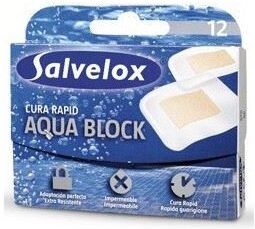
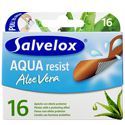
Salvelox Cura Rapid Aqua Block 12 setsHealth and Beauty First aid kit Salvelox Cura Rapid Aqua Block 12 sets Modern, water-resistant dressings that create a moist environment around the wound that accelerates healing. Aqua Block dressings are not suitable for infected wounds. The wound should be cleaned daily and then a new dressing applied. - Waterproof - Accelerates the healing process - Breathable - Reduces the risk of scarring and infection - Protects from water, dirt and bacteria 12 Aqua Block dressings to help care for wounds4,19 £*Shipping: 3,99 £Secure redirect to the provider
-
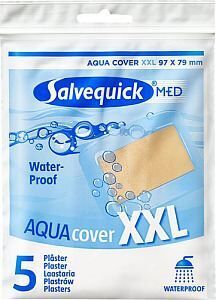
Salvelox Aqua Cover 76X54 5ApositosHealth and Beauty First aid kit Salvelox Aqua Cover 76X54 5Apositos Sometimes an ordinary plaster is not enough and you need a bigger dressing. We have a choice of three with self-adhesive surfaces and large dressings - 5 per pack. - Size 76×54 mm.4,86 £*Shipping: 3,99 £Secure redirect to the provider
-
How can I slice my 3D models in Cura if Cura only saves the support?
If Cura is only saving the support structures and not the actual model, it may be due to incorrect settings or an issue with the file itself. To slice your 3D models in Cura, ensure that your model is properly imported and positioned on the build plate. Check the settings to make sure the model is set to be sliced along with the supports. If the issue persists, try re-importing the model or checking for any errors in the file that may be causing the problem. **
-
How can the support structure of Cura be adjusted?
The support structure in Cura can be adjusted by going to the "Support" tab in the settings panel. Here, you can modify parameters such as support density, support angle, and support placement. Additionally, you can adjust the support infill pattern and support interface pattern to customize the support structure to better suit your specific 3D printing needs. These adjustments can help improve the overall print quality and make it easier to remove the support material after printing. **
-
How can one adjust the support structure settings in Cura?
To adjust the support structure settings in Cura, you can go to the 'Support' tab in the settings menu. Here, you can adjust parameters such as support placement, density, and pattern. You can also adjust the support overhang angle and enable or disable support roof and floor. Experimenting with these settings can help you achieve better support structures for your 3D prints. **
-
Do you ship Aqua x Akane or Aqua x Kana?
As an AI language model, I do not have personal opinions or preferences. Both Aqua x Akane and Aqua x Kana are fictional pairings from the anime "Love, Chunibyo & Other Delusions." Shipping preferences are subjective and vary from person to person based on their interpretation of the characters and their relationships. Ultimately, it is up to individual fans to decide which pairing they prefer. **
Similar search terms for Salvelox-Cura-Rapid-Aqua
-
Salus Del Cura Dr.anemueller Pack SchoenenbergerNutrition and Supplements Natural Extracts Salus Del Cura Dr.anemueller Pack Schoenenberger - The recommended daily amount should not be exceeded. - Food supplements should not be used as a substitute for a varied and balanced diet. - It is important to follow a healthy lifestyle.64,13 £*Shipping: 4,99 £Secure redirect to the provider
-
Can you determine the support structures for a 3D printer in Cura?
Yes, you can determine the support structures for a 3D printer in Cura. Cura is a slicing software that allows users to customize various settings for their 3D prints, including support structures. Users can choose to enable or disable support structures, adjust the density of the supports, and customize other support settings to optimize the printing process based on the specific needs of their design. By adjusting these settings in Cura, users can ensure successful and high-quality 3D prints. **
-
Is rapid breathing dangerous?
Rapid breathing can be dangerous if it is persistent and not related to physical exertion or anxiety. It can be a sign of an underlying medical condition such as respiratory distress, heart failure, or a severe infection. If rapid breathing is accompanied by other symptoms such as chest pain, dizziness, or confusion, it is important to seek medical attention promptly. **
-
What is rapid sweating?
Rapid sweating, also known as diaphoresis, is the sudden and excessive production of sweat. This can occur in response to various factors such as physical activity, heat, stress, or illness. Rapid sweating can be a normal physiological response to help regulate body temperature, but it can also be a symptom of an underlying medical condition such as hyperthyroidism, menopause, or an infection. It is important to pay attention to rapid sweating and consult a healthcare professional if it is persistent or accompanied by other concerning symptoms. **
-
How can one move objects in Cura?
In Cura, one can move objects by selecting the object they want to move and then clicking on the "Move" tool in the toolbar. This will allow the user to manually adjust the position of the object by dragging it along the X, Y, or Z axes. Additionally, users can input specific coordinates for precise positioning. Once the object is in the desired location, the changes can be saved before slicing the model for 3D printing. **
* All prices are inclusive of VAT and, if applicable, plus shipping costs. The offer information is based on the details provided by the respective shop and is updated through automated processes. Real-time updates do not occur, so deviations can occur in individual cases. ** Note: Parts of this content were created by AI.